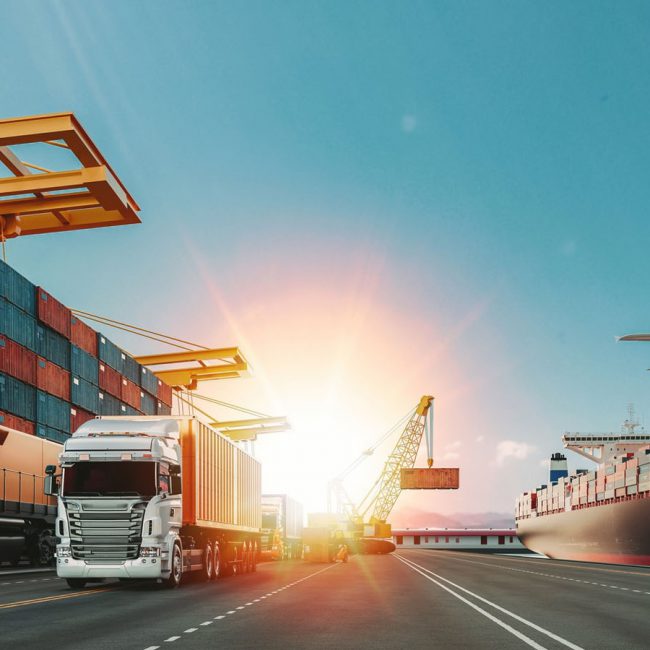
Day in the Life: Working in Transportation Distribution and Logistics
Imagine waking up each day knowing that the coffee in your mug, the phone in your hand, and the shoes by your door all arrived there because of a carefully coordinated global effort. That is the world of transportation distribution and logistics. It is fast-paced, problem-solving driven, and quietly responsible for keeping modern life running smoothly.
For many people, logistics feels invisible until something goes wrong. A delayed package, an empty shelf, or a missed delivery window suddenly reveals how complex and essential this industry really is. Behind every shipment is a team of planners, coordinators, drivers, analysts, and warehouse professionals working in sync.
A day in transportation distribution and logistics is rarely predictable, yet that is exactly what makes it exciting. Each morning brings new challenges, new routes, and new opportunities to improve efficiency. Whether you are coordinating international freight or optimizing local delivery schedules, your decisions have a real-world impact.
This article takes you through a typical day in the life of someone working in transportation distribution and logistics. You will see how the morning starts, how problems are solved in real time, how technology shapes every decision, and why this field offers such strong career potential. If you are considering a future in this industry or simply want to understand how goods move around the world, you are in the right place.
Morning Momentum: Planning, Priorities, and Preparation
The day often begins early. While most cities are just waking up, logistics teams are already in motion. Morning meetings are common, whether in person or virtual. These briefings set the tone for the day. Teams review overnight shipments, note any delays, and prioritize tasks.
A logistics coordinator might start by checking dashboards that display shipment statuses, warehouse capacity, and transportation availability. Every data point tells a story. A late truck in one region may affect inventory in another. A storm at sea could shift delivery timelines across continents.
In transportation distribution and logistics, preparation is everything. Professionals spend the first part of the day aligning schedules, confirming routes, and communicating with partners. Emails go out to carriers, warehouses, and clients. Phone calls clarify special handling requirements or delivery windows.
This is also when contingency planning happens. Experienced professionals always ask, “What could go wrong today?” They prepare alternative routes, backup carriers, and revised timelines. This proactive mindset keeps disruptions from becoming disasters.
One of the most rewarding parts of the morning is seeing plans come together. When shipments are on track and teams are aligned, there is a sense of momentum. You know that hundreds or even thousands of people will receive what they need because of the work done in these early hours.
Midday in Motion: Coordination, Communication, and Problem Solving
By midday, the industry is in full swing. Trucks are on the road, containers are being loaded at ports, and packages are moving through warehouses. This is when transportation distribution and logistics becomes a living, breathing system.
Communication is constant. A dispatcher might be speaking with drivers, adjusting routes to avoid traffic or road closures. A warehouse manager coordinates labor based on incoming volumes. A logistics analyst monitors performance metrics and flags potential bottlenecks.
Problems are inevitable, but they are not viewed as failures. They are puzzles to be solved. A shipment might be held at customs. A vehicle may break down. A customer could request a last-minute change. Each situation requires calm thinking and quick action.
This is where soft skills shine. Successful professionals in transportation distribution and logistics are clear communicators. They listen carefully, explain options simply, and keep all stakeholders informed. Trust is built through transparency and reliability.
Technology plays a major role during this phase. Real-time tracking systems provide visibility into every stage of a shipment’s journey. Predictive analytics highlight risks before they become issues. Collaboration platforms allow teams across time zones to work as one.
One logistics professional described this part of the day as “orchestrating a symphony in real time.” Every movement matters. Every delay affects the rhythm. The goal is harmony, where goods flow smoothly from origin to destination.
The Human Element: Careers, Collaboration, and Growth
While technology drives efficiency, people drive success. Transportation distribution and logistics is built on teamwork. No single role can operate in isolation. Drivers rely on dispatchers. Planners rely on accurate data. Customers rely on everyone.
A typical day includes collaboration across departments and even across companies. You might work with manufacturers, retailers, freight carriers, and customs officials, all within a single shift. This exposure builds a unique set of skills that are valuable in any business environment.
Career paths in this field are diverse. Entry-level roles may include warehouse operations, customer service, or dispatch support. With experience, professionals move into planning, operations management, supply chain analysis, or strategic leadership.
What makes transportation distribution and logistics especially appealing is its accessibility. Many roles do not require advanced degrees to start. Instead, they reward curiosity, reliability, and a willingness to learn. On-the-job training is common, and advancement is often based on performance.
Every day brings lessons. You learn how global trade works. You understand how weather, fuel costs, and regulations affect movement. You gain confidence in decision-making under pressure.
There is also a strong sense of purpose. You are not just moving boxes. You are enabling hospitals to receive supplies, businesses to operate, and communities to thrive. That connection to the real world gives meaning to even the most routine tasks.
The Role of Specialized Services and Global Reach
As the day progresses, logistics professionals often engage with specialized service providers. Global trade is complex, involving multiple transportation modes, regulatory environments, and cultural expectations.
This is where comprehensive logistics partners become essential. Terra Logistics offers ocean freight, road freight, air freight, warehousing, customs clearance project logistics. Having access to such integrated services allows professionals to design end-to-end solutions for their clients.
In transportation distribution and logistics, flexibility is power. A shipment may need to move by sea for cost efficiency, then transition to road transport for final delivery. High-value or time-sensitive goods might require air freight. Warehousing provides buffer capacity, while customs clearance ensures compliance.
A typical afternoon might involve coordinating these elements. A planner could shift a shipment from one mode to another based on changing priorities. A project manager may oversee a complex delivery involving oversized equipment or hazardous materials.
These moments highlight the strategic side of the industry. It is not only about moving goods, it is about designing systems that balance cost, speed, and reliability. Each decision has ripple effects across the supply chain.
Professionals who master this complexity become invaluable. They are trusted advisors, guiding clients through uncertainty and helping them adapt to market changes.
Late Afternoon: Review, Optimization, and Preparation for Tomorrow
As the day winds down, attention turns to review and improvement. Data from the day’s operations is analyzed. Were deliveries on time? Did routes perform as expected? Where did delays occur?
In transportation distribution and logistics, continuous improvement is a core principle. Teams look for patterns and opportunities. Maybe a particular route consistently faces congestion. Maybe a warehouse process can be streamlined. Small changes can yield big results.
Reports are prepared for clients and internal teams. These updates build confidence and transparency. They show not just what happened, but why it happened and what will be done next.
Planning for tomorrow begins before today ends. Shipments are scheduled, resources are allocated, and risks are identified. This forward-looking mindset ensures that each day builds on the last.
Even in quieter moments, professionals remain alert. Global operations never truly sleep. A message from another time zone may require immediate attention. Flexibility is part of the culture.
Despite the intensity, many people find this rhythm energizing. The blend of structure and unpredictability keeps the work fresh. You finish the day knowing you made a tangible difference.
Why Transportation Distribution and Logistics Matters More Than Ever
The world is more connected than at any point in history. E-commerce, global manufacturing, and rapid innovation depend on reliable movement of goods. Transportation distribution and logistics sits at the center of this network.
Recent years have shown how fragile supply chains can be. Disruptions ripple quickly, affecting economies and daily life. This has elevated the importance of skilled logistics professionals.
Companies now invest heavily in resilience and visibility. They seek people who can think strategically, adapt quickly, and communicate clearly. The industry is evolving, blending traditional operations with advanced technology.
Sustainability is also becoming a priority. Professionals work to reduce emissions, optimize loads, and choose greener transportation options. Each improvement contributes to a more responsible global system.
For those entering the field, this is an exciting time. You are not stepping into a static industry. You are joining a dynamic environment that shapes how the world functions.
Conclusion: Step Into a Career That Moves the World
A day in transportation distribution and logistics is a blend of planning, action, problem solving, and collaboration. It begins with strategy and ends with reflection. In between, it touches every corner of the global economy.
This field offers more than a job. It offers a front-row seat to how the world works. You learn to think in systems, communicate across cultures, and make decisions that matter. You gain skills that travel with you, no matter where your career leads.
If you enjoy variety, challenge, and impact, transportation distribution and logistics may be your perfect fit. Whether you are drawn to operations, technology, customer service, or leadership, there is a place for you.
The next time you receive a package or see a truck on the highway, remember that behind it is a network of dedicated professionals. They start their day early, solve problems creatively, and end it knowing they helped keep the world moving.